
Mini Gastric Bypassin Islamabad
Mini gastric bypass (one-anastomosis gastric bypass) delivers the weight-loss and metabolic outcomes of traditional bypass through a simpler, shorter procedure. One intestinal connection instead of two means a 40–60 minute operation, lower complication rates, and faster recovery — with expected excess weight loss of 65–75% over 12–18 months.
Excess Weight Loss
65–75%
Surgery Time
40–60 min
Hospital Stay
1–2 nights
Recovery
2–3 weeks
500+ Successful Surgeries
98% Patient Satisfaction
Bypass Results, Simpler Procedure
Mini gastric bypass — clinically known as one-anastomosis gastric bypass, or OAGB — was developed to reduce the operative complexity of traditional Roux-en-Y bypass without compromising outcomes. It uses a single intestinal connection rather than two, which shortens surgery time and lowers the risk of certain complications.
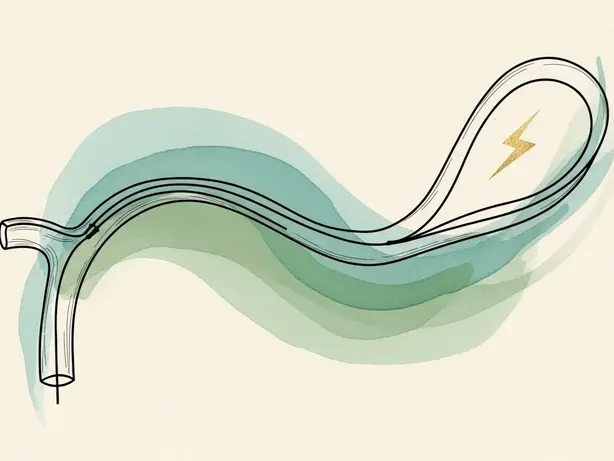
A long, narrow stomach pouch is created and a loop of small intestine is connected directly to it. Food bypasses a defined length of intestine, producing both restriction and reduced calorie absorption. Type 2 diabetes often improves within weeks, comparable to traditional bypass.
The procedure takes 40–60 minutes and requires a 1–2 night hospital stay. Expected excess weight loss is 65–75% over 12–18 months. Our surgical team performs OAGB routinely, and every patient is enrolled in long-term nutritional and clinical follow-up.
How Mini Gastric Bypass Works
The procedure is performed laparoscopically under general anesthesia and typically takes 40–60 minutes — shorter than traditional gastric bypass.
Creating a Long Pouch
Your surgeon creates a long, narrow tube-shaped pouch from the upper part of the stomach using surgical staplers — longer and narrower than a traditional bypass pouch.
Single Loop Connection
A single loop of the small intestine (typically 150–200cm from the start) is brought up and connected directly to the stomach pouch. This is the key simplification over traditional bypass.
Leak Testing
The connection is thoroughly tested for leaks. The remaining stomach stays in place (not removed), making future revision possible if needed.
Closure & Recovery
Small incisions are closed with dissolvable sutures. You'll stay 1–2 nights in the hospital and begin clear liquids the same day.
Benefits of Mini Gastric Bypass
Why patients choose mini gastric bypass at Slimthetics
Excellent Weight Loss Results
Patients typically lose 65–75% of excess weight — comparable to traditional gastric bypass — within 12–18 months.
Shorter Surgery Time
With only one intestinal connection to make, surgery time is reduced to 40–60 minutes, meaning less time under anesthesia and lower surgical risk.
Faster Recovery
The simpler technique means most patients recover quicker, returning to normal activities within 2–3 weeks — faster than traditional gastric bypass.
Strong Diabetes Improvement
Like traditional bypass, mini gastric bypass produces significant improvements in Type 2 diabetes. Many patients reduce or eliminate diabetes medication.
Revisable If Needed
Because the original stomach is preserved (not removed), the procedure can be revised or converted to traditional gastric bypass if ever necessary.
Lower Complication Rate
Fewer intestinal connections mean fewer potential sites for complications like internal hernias, which are more common with traditional bypass.
Am I a Candidate for Mini Gastric Bypass?
Mini gastric bypass is suitable for many of the same patients as traditional bypass, but with the added advantage of a simpler, faster procedure.
- BMI of 35 or higher (or BMI 30+ with obesity-related health conditions)
- Type 2 diabetes or metabolic syndrome (particularly good candidates)
- Prefer a shorter surgical procedure with quicker recovery
- Previous failed attempts at diet-based weight loss
- Committed to lifelong dietary changes and vitamin supplementation
- Medically fit for laparoscopic surgery under general anesthesia
Not sure if you qualify? Our surgeons will evaluate your eligibility during a free, no-obligation consultation.
Check My Eligibility — FreeRecovery Timeline
What to expect during your recovery from mini gastric bypass
Days 1–2: Hospital Stay
You'll stay 1–2 nights under medical supervision. Clear liquids begin on day 1. Early walking is encouraged.
Weeks 1–2: Liquid & Pureed Diet
Continue liquid diet at home, progressing to pureed foods. Light daily activities are fine. Most patients feel improvement daily.
Weeks 2–3: Return to Normal Activities
Soft foods introduced. Most patients return to work and light exercise. Energy levels typically improve noticeably.
Months 1–6: Rapid Weight Loss Phase
The most significant weight loss happens in this window. Regular follow-ups with our surgical and nutritional team.
Months 6–18: Reaching Your Goal
Weight loss continues at a steady pace. Dietary habits solidify. Most patients reach their target weight within 12–18 months.
Expected Results
Mini gastric bypass combines the effectiveness of traditional bypass with a simpler approach — clinical results are highly comparable.
65–75%
Average Excess Weight Loss
70%+
Type 2 Diabetes Improvement
40–60 min
Surgery Duration
98%
Patient Satisfaction at Slimthetics
Mini Gastric Bypass — Frequently Asked Questions
Get answers to common questions about mini gastric bypass
Explore Other Procedures
Compare your options to find the best fit for your weight loss goals
Ready to Transform Your Life?
Take the first step towards a healthier you. Book your free consultation with our expert bariatric surgeons — no obligation, no pressure.