
Gastric Bypassin Islamabad
Gastric bypass is the procedure of choice for patients with obesity and Type 2 diabetes because it addresses both conditions in a single surgery. By re-routing the digestive tract, it reduces calorie absorption and triggers rapid metabolic change — with up to 80% of our diabetic patients leaving the program off insulin. Expect 55–60% excess weight loss over 12–18 months, a one-night hospital stay, and return to normal activity within two weeks.
Excess Weight Loss
55–60%
Surgery Time
60–90 min
Hospital Stay
1 Night
Recovery
14 Days
500+ Successful Surgeries
98% Patient Satisfaction
Weight Loss and Metabolic Reset in One Procedure
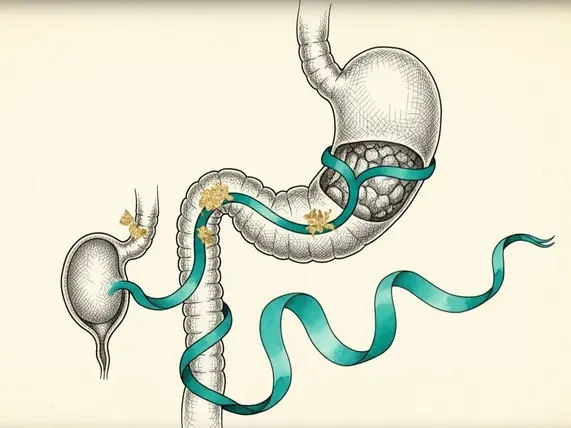
Roux en y gastric bypass works through two mechanisms at once. A small pouch is created from the upper stomach to limit food intake, and the small intestine is re-routed so food bypasses the section where most calories are absorbed. The result is both mechanical restriction and a powerful metabolic response — which is why bypass for weight loss remains the gold standard gastric bypass procedure.
For patients exploring gastric bypass diabetes treatment, the effect is often rapid: blood sugar normalises within days, and many reduce or stop insulin before discharge. Over 12–18 months, typical gastric bypass weight loss is 55–60% of excess weight — the highest of any standard bariatric procedure.
The operation is laparoscopic, takes 60–90 minutes, and requires a one-night hospital stay. Our surgical team has completed over 500 bariatric procedures, and every gastric bypass in Islamabad includes long-term clinical and nutritional follow-up.
How Roux en Y Gastric Bypass Works
The Roux-en-Y procedure is performed laparoscopically under general anesthesia and typically takes 60–90 minutes.
Creating the Pouch
A small pouch (about the size of an egg) is created from the upper part of the stomach using surgical staplers, separating it from the rest of the stomach.
Dividing the Small Intestine
The small intestine is divided, and the lower section (the "Roux limb") is brought up and connected directly to the new stomach pouch.
Completing the Bypass
The upper section of the divided intestine is reconnected further down, allowing digestive juices to mix with food. This creates the "Y" shape that gives the procedure its name.
Testing & Closure
All connections are tested for leaks. The small incisions are closed with dissolvable sutures. You'll begin recovery under close medical supervision.
Benefits of Gastric Bypass
Why patients choose gastric bypass at Slimthetics
Highest Weight Loss Results
Gastric bypass delivers 70–80% excess weight loss on average — the highest among standard bariatric procedures — with most results achieved within 12–18 months.
Superior Diabetes Resolution
Up to 80% of Type 2 diabetes patients achieve complete remission. Many patients reduce or eliminate insulin within days of surgery — often before significant weight loss occurs.
Powerful Metabolic Reset
Beyond weight loss, gastric bypass triggers hormonal changes that improve insulin sensitivity, reduce inflammation, and reset metabolic function at a fundamental level.
Reduced Cardiovascular Risk
Significant improvements in blood pressure, cholesterol, and triglycerides. Studies show up to 50% reduction in cardiovascular mortality risk after gastric bypass.
Long-Term Durability
Gastric bypass has the longest track record — over 50 years of clinical data. Weight loss results are highly durable with proper lifestyle adherence.
Effective for Complex Cases
Often recommended for patients with severe obesity (BMI 45+), multiple comorbidities, or those who need maximum weight loss for health reasons.
Am I a Candidate for Gastric Bypass?
Gastric bypass is especially recommended for patients with higher BMI or significant metabolic conditions. Our surgeons will determine if this is the ideal procedure for you.
- BMI of 40 or higher, or BMI 35+ with serious obesity-related conditions
- Type 2 diabetes, especially if poorly controlled with medication
- Multiple comorbidities (hypertension, sleep apnea, joint disease)
- Previous failed attempts at sustained weight loss
- Committed to lifelong dietary changes, vitamin supplementation, and follow-up
- Medically fit for surgery under general anesthesia
Not sure if you qualify? Our surgeons will evaluate your eligibility during a free, no-obligation consultation.
Check My Eligibility — FreeRecovery Timeline
What to expect during your recovery from gastric bypass
Days 1–3: Hospital Recovery
You'll stay 2–3 nights in the hospital. Clear liquids begin on day 1. Walking is encouraged early to prevent blood clots and promote healing.
Weeks 1–2: Liquid & Pureed Diet
Continue clear and full liquids at home, transitioning to pureed foods by week 2. Rest is important, but short walks are beneficial.
Weeks 3–4: Soft Foods & Return to Work
Soft foods introduced gradually. Most patients return to desk work within 3 weeks. Avoid heavy lifting and strenuous activity.
Months 2–6: Rapid Weight Loss
This is the most dramatic weight loss phase. Regular follow-ups, nutritional guidance, and vitamin monitoring ensure you're on track.
Months 6–24: Reaching Your Goal
Continued steady weight loss. Dietary habits stabilize. Most patients reach their target weight within 18–24 months.
Expected Results
Gastric bypass has the strongest clinical evidence of any bariatric procedure, with over 50 years of data supporting its effectiveness.
70–80%
Average Excess Weight Loss
Up to 80%
Type 2 Diabetes Remission
75%+
Hypertension Improvement
98%
Patient Satisfaction at Slimthetics
Gastric Bypass — Frequently Asked Questions
Get answers to common questions about gastric bypass
Explore Other Procedures
Compare your options to find the best fit for your weight loss goals
Ready to Transform Your Life?
Take the first step towards a healthier you. Book your free consultation with our expert bariatric surgeons — no obligation, no pressure.